 Home
Home  Global
  Download
Digital transformation: More than just technology, it is about culture and people
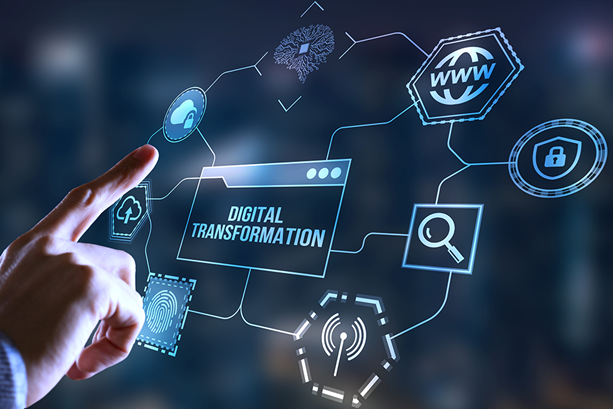
In today's booming digital era, digital transformation (DX) has become a familiar term, touted as the key to growth and survival for every business. However, many still mistakenly believe that DX is merely about investing in advanced software, systems, or technologies. In reality, this understanding is incomplete. Digital transformation is not just a technological revolution; it is, more profoundly, a cultural and mindset shift that must permeate the entire organization.
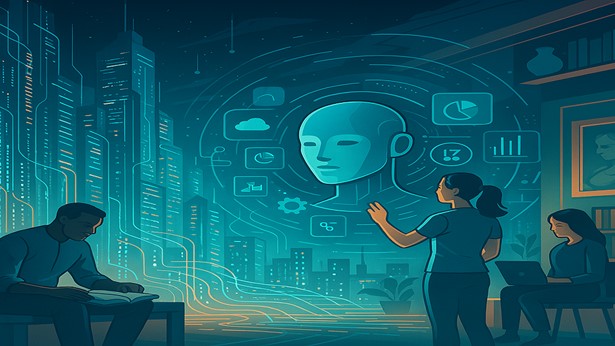 Digital culture
The central role - Human factor
If an organization only invests in technology without preparing its people, all digital transformation efforts are at risk of failure. People are the critical factor determining the success or failure of DX since:
- They are the users and operators of technology: No matter how advanced technology may be, it still requires human beings to implement, operate, and extract its full value. An expensive ERP (Enterprise Resource Planning) system will be useless if employees are not trained or are unwilling to use it.
- They are adaptable and innovative: Technology evolves continuously, and it is people, with their ability to learn, adapt, and innovate, who can leverage new technologies to redefine processes, products, and services.
- They are agents of change and cultural drivers: Digital transformation demands a shift in how work is done and how people think. It is the employees, at all levels, who will execute, embrace, and champion that change.
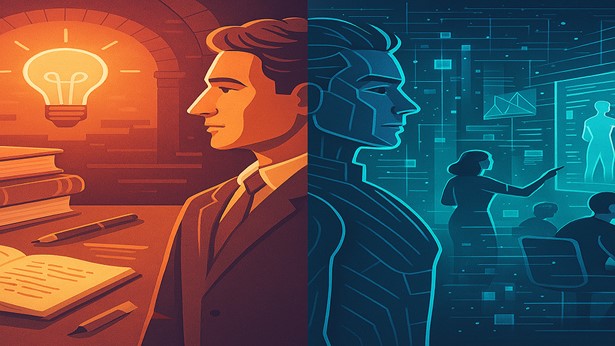
The mindset shift: From traditional to digital
Digital transformation necessitates a significant shift in mindset, moving from traditional thinking to a digital-first approach, which includes:
- A data-driven mindset: Instead of making decisions based on intuition or subjective experience, all decisions need to be grounded in data and analysis. This requires employees to learn how to effectively collect, analyze, and interpret data.
- An agile and experimental mindset: The digital environment changes rapidly. Businesses and their employees need to be ready to experiment with new things, accept calculated risks, and learn from failures to continuously improve (Agile mindset).
- A collaborative and transparent mindset: Digital technology facilitates connections between departments and individuals. DX fosters a culture of teamwork and more transparent information sharing to achieve common goals.
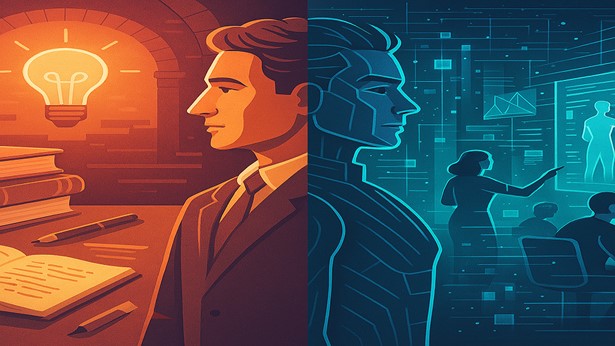
Tradition to digitization
Building a Digital Culture: The key to DX success
For digital transformation to succeed, businesses must focus on building a digital culture through the following elements:
- Commitment from leadership: Senior leaders must be pioneers, demonstrating clear commitment to DX and inspiring all employees.
- Training and skill development: Invest in reskilling and upskilling employees in technology, digital thinking, and necessary soft skills.
- Encouraging experimentation and learning: Create a safe space for employees to experiment with new technologies and processes without fear of failure. View failures as lessons for progress.
- Organizational and process restructuring: Eliminate administrative barriers, simplify processes, and organizational structures to align with the digital work environment.
- Communications and information sharing: Regularly communicate the vision, goals, and benefits of DX so that all employees understand and make a commitment to implement.
To conclude, digital transformation is not a destination, but a continuous journey of innovation, in which every individual plays a vital role in the change. By prioritizing people development, fostering an open mindset, and building a culture that values flexibility and learning, businesses does not only adopt technology but also transform to adapt, break through, and create sustainable value in an increasingly digital future.